How to Choose the Best Printed Cartons for Your Business?
Choosing the best printed cartons for your business is a critical decision that can impact your brand's success. Printed cartons not only serve as packaging but also represent your brand identity. The right choice can enhance customer perception and improve sales. However, many businesses struggle to navigate the options available.
Quality printed cartons come in various sizes, shapes, and materials. It's essential to consider durability and style. High-quality printing can draw attention and communicate your message effectively. On the other hand, the wrong choice may lead to damaged products and unhappy customers. Reflecting on past packaging decisions can provide valuable insights.
Evaluate your brand values and target audience while selecting printed cartons. Think about how your packaging aligns with your product and marketing strategy. Ultimately, investing time in choosing the right printed cartons can yield significant rewards, making your products stand out in a competitive market.

Understanding Different Types of Printed Cartons Available in the Market
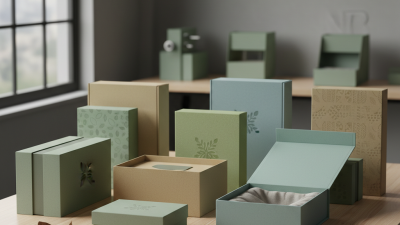
When selecting printed cartons for your business, it's crucial to understand the different types available. Printed cartons come in various materials and styles, each serving unique purposes. For instance, corrugated cartons are durable and ideal for shipping. They provide excellent protection and can be customized with vibrant prints. On the other hand, folding cartons are perfect for retail products. They are lightweight and can be designed to enhance shelf appeal.
**Tips:** Consider your product's weight and fragility when choosing your carton type. A heavier item may require sturdier materials.
Another popular choice is rigid boxes. They offer a premium feel and are often used for luxury products. However, they can be more expensive and may not always be necessary for every product. Reflect on your brand identity when deciding on carton styles.
**Tips:** Analyze competitor packaging to gain insights and avoid common pitfalls. A carton that stands out should align with your brand's message.
Types of Printed Cartons Popular in the Market
Evaluating Your Product's Packaging Requirements and Specifications
When assessing your product's packaging requirements, consider the product's size and weight.
Small, lightweight items may benefit from thinner cartons. Conversely, larger or heavier items might require sturdier materials to ensure safety during transport. Think about the potential for damage. Your packaging should protect products while they are on shelves or in transit. Evaluating potential risks is crucial for selecting the right carton.
Environmental impact is another essential factor. Sustainable packaging options are increasingly popular and often resonate with consumers. Research the materials available. Recyclable or biodegradable cartons can enhance your brand's image. However, ensure that these options meet your durability criteria.
Finally, your branding should be reflected in your choice of cartons.
Consider colors, graphics, and finishes that align with your brand identity. The design can attract customers and create a lasting impression. Yet, balancing aesthetic appeal with functionality requires careful thought. Evaluate whether the visual enhancements compromise the structural integrity of the packaging. Be mindful of this trade-off as you refine your choices.
Factors to Consider When Selecting Printed Cartons for Your Brand
When selecting printed cartons for your brand, several factors come into play. Consider the material used in the cartons. Cardboard and paperboard can vary significantly in durability and appearance. If your product requires added protection, opt for thicker materials to prevent damage during shipping.
Printing quality is essential. Vibrant colors and clear designs can enhance brand recognition. Look for a printer that offers high-resolution options. This can make your cartons stand out on the shelf and convey professionalism. However, price must also be a consideration. Premium printing can add cost, so balance quality with your budget.
Don't overlook sustainability. Eco-friendly materials are increasingly important to consumers. Choosing recyclable or biodegradable cartons can attract environmentally conscious customers. Test market different designs and materials before making a final decision. It's crucial to gather feedback on functionality and appeal. Experimentation can reveal what truly resonates with your audience.
Assessing Quality: Materials and Printing Techniques for Durability
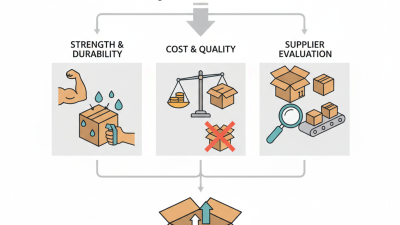
When selecting printed cartons, quality is central. The right materials often determine durability. Cardboard comes in various grades, affecting strength and reliability. A thicker, sturdier carton can withstand the rigors of shipping. However, using heavier cardboard may impact shipping costs. It's a balancing act between protection and expense.
Printing techniques also play a crucial role in quality. Flexographic and lithographic printing are common choices. Flexographic printing is renowned for its vibrant colors and quick drying time. However, it may lack the fine detail that lithographic methods can achieve. Customers might notice the difference in clarity and color saturation. It's essential to consider how your cartons will be used. Will they sit on shelves, or face rough handling during transit?
In this process, businesses must ask themselves tough questions. What do you prioritize: aesthetic appeal or functionality? Every choice shapes your brand's image. Consider conducting tests before committing to a large order. Feedback from samples can reveal insights you may have overlooked. Adjustments based on practical experiences can lead to better long-term outcomes.
Cost Analysis: Balancing Budget and Quality in Printed Carton Selection
Choosing the right printed cartons can be a challenge. Many businesses focus on budget alone, but quality matters too. A lower price may mean using inferior materials. This can lead to products being damaged during shipping. Evaluate the balance between cost and durability.
Consider the design as well. High-quality prints attract customers. But detailed designs often come with higher costs. If you choose a complex design, ensure it adds value to your brand. Simpler designs can be cost-effective. They can still be visually appealing without breaking the bank.
Engaging a specialist may seem expensive upfront. However, their expertise often leads to better outcomes. They can find materials that are both affordable and durable. Look for experts with proven track records. This will ensure you’re making the right choices for your business. Reflect on your past experiences too. Have previous selections delivered the expected results? Adjust your approach based on what you find. Making the right decision takes time and research.