What Is an SBS Carton and Why Do Buyers Choose It?

What is an SBS carton, and why do buyers continue choosing it for retail packaging? SBS means solid bleached sulfate, a premium paperboard made from bleached virgin fiber. Its bright, smooth surface supports sharp graphics, fine text, and accurate brand colors. Packaging engineer Mike Ferrari expresses the practical goal clearly: “Packaging should protect the product, present the brand, and support the consumer experience.”

That balance explains the popularity of an sbs carton. Buyers can specify different board calipers, folding styles, coatings, and die-cut features. A cosmetics carton may use soft-touch coating and precise embossing. A pharmaceutical carton may require clear text, secure closures, and consistent dimensions. Food packaging often needs stronger moisture resistance and suitable inner barriers. The material also runs efficiently on many folding-carton lines, which can help control production waste and labor costs.

Still, SBS is not automatically the best choice. It can cost more than recycled paperboard, and poor structural design may cause crushing during shipping. A beautiful printed carton can fail at the store shelf. That detail deserves attention.

Experienced buyers review compression strength, scoring quality, print registration, coating performance, and supplier consistency. They also ask whether the carton fits recycling goals in the target market. Those requirements vary by product, region, and packaging system. A reliable decision therefore combines appearance with testing. The strongest sbs carton is not merely attractive. It protects the product, supports efficient manufacturing, and communicates value without making promises the material cannot keep.
What Is an SBS Carton and Why Do Buyers Choose It?

What Is an SBS Carton?

An SBS carton is a folding package made from solid bleached sulfate paperboard. Its fibers are bleached, and the board has a clean, bright appearance on both sides. This smooth surface supports sharp logos, fine product images, and small printed text. A typical carton arrives flat, then folds along scored lines into a box. You may see SBS cartons around cosmetics, dry foods, medicines, and household products.

Buyers often choose SBS because it combines presentation with practical performance. The board feels firm in the hand and can protect lightweight products during normal handling. Its smooth surface also accepts coatings that improve appearance or resist limited moisture. However, SBS is not a universal solution. Heavy products may need stronger board, added structure, or a different packaging material. A rushed specification can create crushed corners or poor folding.

Tips: Check the product weight, carton dimensions, folding design, and storage conditions before ordering. Ask for a physical sample. Press the scored edges and inspect the printed surface under bright light. Also review the coating and recycling guidance for your local system. Some finishes can affect fiber recovery. That detail is easy to miss. A reliable packaging decision balances shelf appeal, machine performance, protection, and material responsibility. Testing remains important because humidity, filling speed, and transport conditions can change the result.

What Is an SBS Carton and Why Do Buyers Choose It?

SBS, or Solid Bleached Sulfate, is a premium paperboard commonly used for folding cartons. The chart shows typical carton-board caliper sizes from 10 to 24 points. One point equals 0.001 inch, so thicker board generally provides greater stiffness and product protection. Buyers often choose SBS because it offers a smooth, bright printing surface, consistent folding performance, and a strong presentation for retail packaging.

How SBS Cartons Are Made

What Is an SBS Carton and Why Do Buyers Choose It?

How SBS Cartons Are Made

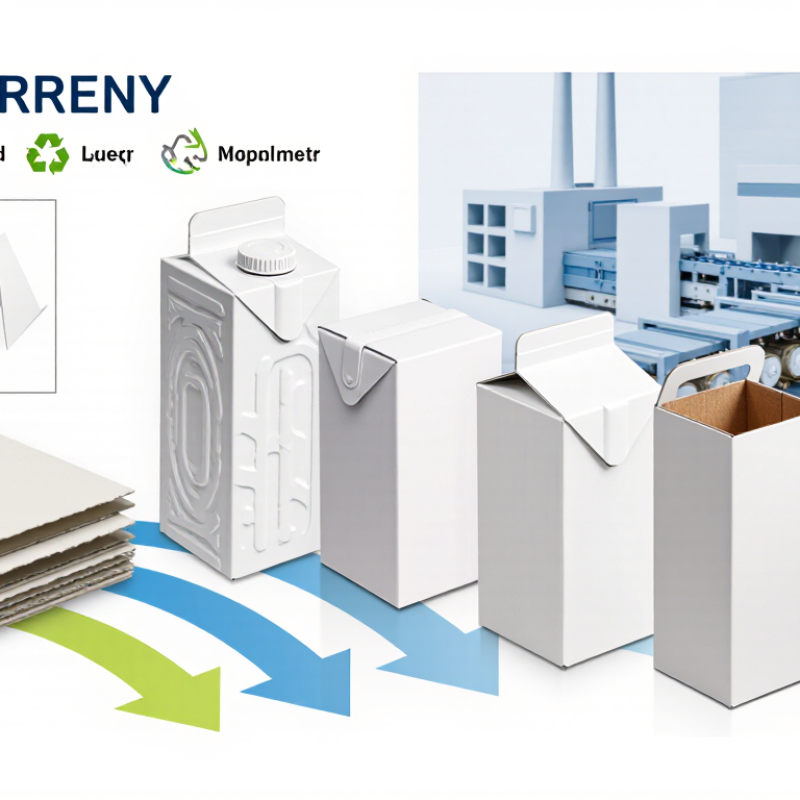
SBS, or solid bleached sulfate, begins with carefully prepared virgin paper fibers. The fibers are mixed with water and formed into a thick, even sheet. Bleaching creates a clean white surface, while controlled drying builds strength and stiffness. Manufacturers then apply a coating layer. This coating helps ink sit sharply instead of soaking into the paper. The board passes through heated rollers, which smooth its surface and control its final thickness.

Printing comes next. Operators check color density, registration, and small text before the sheets reach the cutting machine. A die-cutting tool creates the carton shape, crease lines, and locking features. Folding and gluing equipment then forms the package. I have found that crease depth matters more than many buyers expect. A shallow crease may crack, while a deep crease can weaken the fold. Small adjustments often prevent larger production problems.

Tips: Ask for the board grade, caliper, coating type, and intended product use. Confirm whether the material meets applicable food-contact or recycling requirements. Request a physical sample, not only a digital proof. Lighting can hide coating differences. So can screen previews. Production is rarely perfect. Fiber moisture, machine pressure, and ink behavior can shift slightly between batches. Reliable suppliers measure board thickness, folding accuracy, print quality, and glue strength during inspection. These checks help buyers choose cartons that look refined and perform consistently on filling lines.

Key Features and Performance Benefits of SBS Cartons

An SBS carton is made from solid bleached sulfate paperboard, recognized for its clean surface and dependable structure. Its bright, even face supports sharp images, fine text, and consistent color across a production run. The board also folds neatly when creased correctly. That detail matters around corners, tabs, and small locking panels. Buyers often choose SBS when shelf appearance and pack accuracy carry equal weight. It feels refined. Yet appearance is only one measure.

SBS offers a useful balance of stiffness, smoothness, and printability. A well-selected caliper helps the carton resist crushing during filling, stacking, and transport. Its uniform fiber formation can improve die cutting and reduce rough edges. Coatings may add scuff resistance or help protect graphics from handling. In a packaging trial, check the finished carton, not only the flat sheet. Test filled packs for panel bulging, opening force, and crease recovery. Small changes in humidity can alter board behavior.

The material is not perfect. Standard SBS can lose strength when exposed to moisture, so unsuitable contents or storage conditions need a barrier strategy. Heavier board may improve rigidity but increase material use and shipping weight. Buyers should compare caliper, coating, recycled content, and converting results rather than trust appearance alone. A sample can look excellent and still fail at the tuck flap. Clear specifications and documented testing make the choice more reliable.

Common Uses Across Packaging Industries

SBS cartons are made from solid bleached sulfate paperboard, known for their clean white surface and smooth printing performance. Buyers often select them when packaging must look polished and protect products during handling. The board supports sharp graphics, fine text, and consistent folding. It also offers a firm surface for product information, instructions, and required labeling.

Across the food industry, SBS cartons hold bakery items, frozen foods, dry mixes, and premium confectionery. A food packer may choose a coated grade when moisture resistance matters. However, the coating must match the product and filling process. In cosmetics, cartons protect creams, soaps, fragrance containers, and small personal-care products. Their smooth finish helps create an orderly shelf display. Small details matter here. A loose insert or weak fold can damage the customer’s first impression.

Healthcare packaging also uses SBS for outer cartons around bottles, tubes, and medical supplies. These packs can include tamper-evident features, braille, or tightly controlled printing. Retailers use SBS cartons for household goods, stationery, electronics accessories, and promotional sets. From production experience, accurate scoring and suitable board thickness reduce crushing during transport. Yet SBS is not perfect. It may perform poorly in highly humid environments without added protection. Recycling options also depend on coatings and local facilities. Buyers should test the carton with real products, warehouse conditions, and shipping routes before approving a final specification.

Why Buyers Choose SBS Cartons for Their Products

SBS cartons are made from solid bleached sulfate paperboard, known for a clean surface and reliable stiffness. Buyers choose them when packaging must look precise on a retail shelf. The smooth board supports sharp images, fine text, and consistent color reproduction. It also folds cleanly around perfumes, cosmetics, food, and household products. Small details matter.

Industry data supports this preference. Smithers’ The Future of Folding Cartons to 2028 estimates that the global folding carton market will grow from about $188 billion in 2023 to nearly $206 billion by 2028. That growth reflects continued demand for printed, lightweight paperboard packaging. The Paperboard Packaging Council also reports that folding cartons remain widely used because they combine product protection, efficient shipping, and strong shelf presentation. Buyers often value that balance more than the lowest unit price.

SBS is not perfect. It can cost more than lower-grade paperboard, especially when premium coating or complex finishing is required. Its bright appearance may also create unrealistic sustainability expectations. Buyers still need to review fiber sourcing, coatings, inks, and local recycling systems. A carton is not automatically sustainable because it is paper-based. That point deserves more attention. In practical testing, purchasers should check board caliper, compression strength, crease behavior, color stability, and performance in humid storage. A carton that looks excellent but cracks during packing is a poor commercial choice.

What Is an SBS Carton and Why Do Buyers Choose It?

Solid Bleached Sulfate (SBS) is a folding-carton board made primarily from bleached virgin wood pulp. Buyers commonly select it for its clean white appearance, smooth print surface, consistent converting performance, and suitability for premium retail packaging.

Evaluation Dimension Typical SBS Carton Information Why Buyers Choose It
Material composition Bleached virgin wood-pulp fiberboard with a smooth coated surface. Provides a clean, uniform substrate for high-quality graphics and precise packaging production.
Common basis-weight range Approximately 190–400 g/m² for many folding-carton applications; the selected grade depends on size, structure, and required stiffness. Allows buyers to balance package strength, appearance, material usage, and shipping weight.
Common caliper range Often specified within roughly 10–24 points for folding cartons, with actual values varying by grade and supplier. Supports different levels of rigidity, foldability, and shelf presence without requiring corrugated construction.
Surface and printability Bright, smooth, coated surface suitable for offset, digital, flexographic, and gravure printing, subject to the chosen grade and process. Helps produce sharp text, fine details, strong color contrast, and consistent branding artwork.
White appearance White throughout the sheet rather than only on the outer surface. Creates a premium interior and exterior appearance and supports printing on unprinted carton panels.
Stiffness and structural performance Offers good stiffness-to-weight performance for many small and medium-sized folding cartons; performance depends on board grade, grain direction, and carton geometry. Protects packaged goods while supporting efficient die-cutting, creasing, folding, and gluing.
Typical product applications Cosmetics, personal-care products, dry foods, confectionery, pharmaceuticals, household products, and other retail goods. One board family can serve a broad range of retail packaging formats and presentation requirements.
Food-contact suitability Can be selected for direct or indirect food-contact packaging only when the specific board, coating, ink, adhesive, and manufacturing conditions meet applicable regulations. Provides a paperboard option for food packaging while allowing buyers to specify the required compliance level.
Moisture and grease resistance Uncoated SBS has limited resistance; water-based coatings, dispersion coatings, extrusion layers, or other barriers may be added when required. Buyers can select a surface treatment that matches the product’s moisture, oil, or condensation exposure.
Recyclability Fiber-based SBS cartons are generally recyclable where local paperboard recycling systems accept them; heavily laminated, waxed, or contaminated cartons may have limited acceptance. Supports fiber-based packaging goals when the carton design, coatings, inks, and local recycling infrastructure are compatible.
Converting performance Designed for common folding-carton processes such as scoring, die-cutting, folding, windowing, and gluing. Helps manufacturers achieve repeatable carton dimensions and efficient high-volume production.
Premium shelf presentation Smooth white board can accept matte, gloss, soft-touch, metallic, and other finishing treatments, depending on compatibility. Improves visual impact and allows packaging designers to create differentiated retail experiences.
Main purchasing considerations Board thickness, basis weight, stiffness, moisture barrier, print process, food-contact requirements, recyclability, carton dimensions, and end-use conditions. Enables buyers to choose a cost-effective specification based on performance requirements rather than selecting a single grade for every application.

Note: The ranges shown are general industry-use ranges rather than universal specifications. Exact performance depends on the selected board grade, coating system, carton design, converting process, product load, and local recycling or regulatory requirements.

Subscribe to Our Blog

Sign Up

WE'RE HIRING!

X