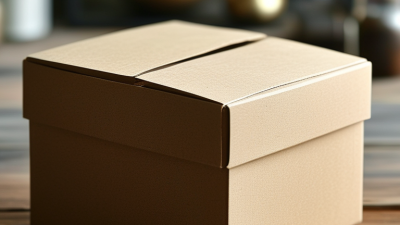
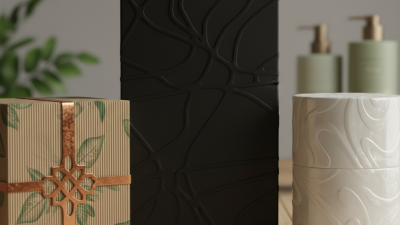
Rigid box printing is the process of decorating strong, non-collapsible boxes made from materials such as greyboard and wrapped paper. Unlike folding cartons, rigid boxes keep their shape during handling, storage, and presentation. A well-made box feels firm in the hand, with clean corners, even paper tension, and a lid that closes without force. These details influence how customers judge quality before seeing the product.
The printing stage can include offset color, foil stamping, embossing, debossing, spot varnish, or soft-touch coatings. Each method changes the box’s appearance and handling experience. For example, gold foil can highlight a small logo, while embossing creates a raised texture under direct light. Experienced packaging teams also check color consistency, board thickness, glue marks, edge alignment, and scuff resistance. Small defects matter.
Rigid box printing matters because packaging protects products and communicates brand value at the same time. It can support premium positioning, improve shelf visibility, and create a more memorable unboxing experience. However, it is not flawless. More materials, finishing steps, and manual assembly can increase cost, production time, and environmental impact. That trade-off deserves honest attention. Responsible decisions may involve recyclable paper, water-based coatings, reduced decoration, and accurate production forecasts. Testing remains essential. Drop tests, lid-fit checks, and sample reviews can reveal weaknesses before full production. The best result is not simply a beautiful box. It is a practical, consistent, and responsibly produced package that performs well beyond the first impression.
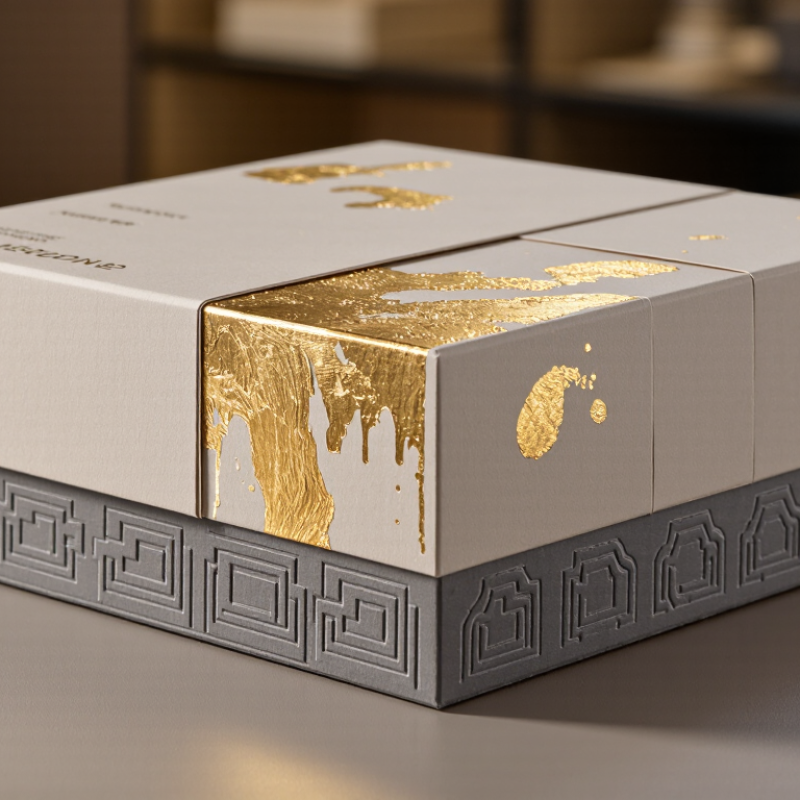
Rigid box printing is the process of decorating thick, non-collapsible packaging. The box usually uses dense paperboard, often covered with printed paper. Unlike folding cartons, rigid boxes keep their shape during handling and display. They feel solid.
The core feature is structural strength. A well-made box has clean corners, accurate lid alignment, and stable walls. Printing may use offset methods, digital methods, or carefully applied surface graphics. Common finishes include matte coating, gloss coating, foil accents, and embossed details. Each option changes the box’s texture, light reflection, and perceived value.
Material selection affects the result. Thick board supports protection, but it also increases weight and shipping space. Paper grain, adhesive control, and drying time can influence corner quality. A small alignment error may become obvious on a large, flat panel. That detail matters. In production, sample checks should examine color consistency, edge wrapping, surface scratches, and lid movement. A printed proof may look accurate, yet the final wrapped box can appear slightly different under retail lighting. This is an imperfect area that deserves honest review.
Rigid box printing also supports practical design choices. Inserts can hold products securely and prevent movement inside the box. Soft-touch surfaces create a smooth hand feel, while textured papers can hide minor marks. However, extra finishes may increase cost and complicate recycling. The best specification balances appearance, protection, manufacturing tolerance, and responsible material use.
Rigid box printing begins with the materials beneath the artwork. Most premium boxes use dense greyboard or chipboard for strength. The board creates a firm shell that resists bending during handling. A paper wrap carries the printed design, often with coated, textured, or recycled stock. Thin films and varnishes can protect color from scuffs. They can also weaken the paper’s natural feel.
Structure affects both appearance and performance. A standard setup box uses a separate lid and base. Hinged-lid designs add a fabric or paper joint for smoother opening.
Shoulder-neck structures create a raised inner frame and a precise closing action. Drawer boxes rely on an outer sleeve and sliding tray. Magnetic closures may improve usability, but they require accurate placement and extra material.
Manufacturing tests should include folding, stacking, and repeated opening. Small gaps become obvious under bright light. Poorly wrapped corners may lift after humidity changes.
It looks simple. It is not.
Material thickness must match the product’s weight and the box dimensions. Oversized board can make assembly difficult, while thin board may collapse under pressure. A practical improvement is checking wrapped samples before full production. This step can reveal glue marks, uneven edges, and color differences early.
Yet even careful testing has limits. Storage conditions, shipping vibration, and human handling can still expose weaknesses. Good rigid box printing depends on balancing structure, tactile quality, protection, and realistic production costs.
Rigid box printing combines precise artwork, durable paperboard, and careful hand assembly. The process begins with a structural drawing, including the box length, width, depth, and lid clearance. A packaging technician then prepares the artwork with bleed, safe zones, and correct color settings. Digital or offset printing transfers the design onto coated paper. After drying, the sheet may receive foil, embossing, spot coating, or a protective finish.
The printed sheet is trimmed and wrapped around rigid board panels. Adhesive is applied evenly, especially near corners and folded edges. Workers press the paper into place with guides or forming tools. The base and lid are assembled separately, then checked for alignment. Small errors matter. A loose lid, exposed board, or wrinkled corner can weaken the customer’s impression. In practice, the first sample is rarely perfect. Color may appear darker, and tight folds can shift slightly. Careful sampling helps reveal these problems before larger production.
Tips: Confirm the dieline before printing. Keep a physical sample beside the production sheet. Check corner coverage, lid movement, and surface marks under bright light. Measure twice. Also, allow extra time for adhesive curing; rushed handling can leave dents or lifted edges. One useful improvement is often overlooked: record every adjustment, even the unsuccessful ones. This creates a more reliable process for future box sizes and finishes.
Rigid box production usually combines artwork preparation, offset printing, drying, die-cutting, paper wrapping, assembly, and quality control. The chart shows typical reference durations in hours for a small-to-medium production batch. Actual timing depends on box size, materials, finishing requirements, order quantity, and production capacity.
What Is Rigid Box Printing and Why Does It Matter?
How Rigid Box Printing Enhances Product Protection and Branding
Rigid box printing combines strong paperboard construction with carefully printed outer layers. Unlike folding cartons, rigid boxes keep their shape during handling, storage, and delivery. Their solid walls help reduce crushing, surface dents, and movement inside the package. A fitted insert can hold a product firmly, while soft paper, molded pulp, or foam adds another protective layer. Small details matter here. A loose insert can still allow scratches.
Printing also turns protection into a visible brand experience. Precise colors, sharp typography, embossing, foil accents, and matte coatings can guide how customers judge quality. In production, color consistency must be checked across different materials and print batches. Minor shifts can change the appearance of a logo or product image. That risk deserves attention. A premium finish cannot repair poor alignment.
A well-designed rigid box supports a smoother opening experience. The lid should lift without excessive force, and the product should appear immediately without awkward packing materials. Clear structural planning improves both presentation and product safety. However, heavier construction may increase shipping weight and material use. Designers should test samples before approving mass production. A beautiful box can still be impractical if it wastes space, resists recycling, or arrives damaged. Real quality includes protection, accurate printing, comfortable handling, and responsible material choices.
| Evaluation Dimension | Typical Rigid Box Data | How It Supports Product Protection | Branding and Printing Value |
|---|---|---|---|
| Board Thickness | Approximately 1.2–3.0 mm for common rigid paperboard constructions | The thicker structure resists bending, crushing, and deformation better than lightweight folding cartons. | Creates a substantial, premium feel that can communicate product quality before the package is opened. |
| Construction Type | Common formats include two-piece boxes, drawer boxes, hinged-lid boxes, book-style boxes, and shoulder-neck boxes. | The rigid shell and fitted inserts help stabilize products and reduce movement inside the package. | Different opening mechanisms provide distinctive unboxing experiences and support product storytelling. |
| Compression and Stacking | Rigid boxes generally provide higher resistance to panel collapse than standard lightweight cartons, but performance must be verified by compression testing. | Improves protection during warehousing, pallet stacking, and handling when the box is correctly engineered. | A clean, undamaged exterior preserves printed graphics and reduces the risk of poor shelf presentation. |
| Impact and Cushioning | Paperboard shells can be combined with molded pulp, paperboard, foam, or fabric-covered inserts. | A fitted insert absorbs movement and helps prevent scratches, abrasion, and impact damage. | Custom inserts can visually organize accessories and make the product presentation more deliberate. |
| Surface Finishing | Common options include aqueous coating, matte or gloss film, soft-touch coating, foil stamping, embossing, and debossing. | Protective coatings can improve resistance to scuffing, fingerprints, and light surface moisture. | Tactile and reflective finishes create visual contrast, improve shelf visibility, and reinforce a premium positioning. |
| Print Quality | Offset lithographic printing is widely used for detailed graphics, fine text, images, and multi-color layouts. | Clear handling and care instructions can remain legible on a stable, high-quality printed surface. | Supports precise color control, high-resolution imagery, patterns, illustrations, and regulatory information. |
| Dimensional Stability | Rigid constructions maintain their shape more effectively than thin cartons under normal indoor storage conditions. | Stable walls and corners help preserve the fit between the product, insert, and outer package. | Consistent geometry improves alignment of logos, panels, patterns, and opening features. |
| Unboxing Experience | Rigid boxes are commonly designed for slower, structured opening sequences rather than rapid automatic opening. | Controlled opening reduces sudden product movement and keeps components arranged during presentation. | Layered reveals, magnetic closures, ribbons, and fitted compartments can increase perceived value and memorability. |
| Reusability | The rigid structure is often suitable for repeated opening, closing, and secondary storage when kept dry and undamaged. | Continued use can protect the product or accessories after the initial purchase. | A useful secondary life can extend customer interaction with the package and its printed design. |
| Material Efficiency | Rigid boxes use more board and structural components than many folding cartons and may be shipped assembled. | The additional material can deliver stronger protection, but packaging weight and shipping volume should be assessed. | Paper-based materials, recycled content, and recyclable design choices can support sustainability communication when properly documented. |
| Best-Fit Product Categories | Commonly selected for fragile, high-value, giftable, collectible, or presentation-focused products. | Provides a stronger enclosure for products that need extra protection or a precise internal fit. | Works well where packaging appearance, perceived value, and brand recognition influence purchase decisions. |
Note: Protection claims should be confirmed through relevant packaging tests, such as compression, vibration, drop, and environmental conditioning tests, using the final box design and product load.
Rigid box printing covers the printed paper, board structure, and finishing used on sturdy presentation boxes. Unlike folding cartons, rigid boxes keep their shape during display and handling. Common applications include cosmetics, electronics, confectionery, jewelry, books, and premium gifts.
Choosing this format requires more than selecting a striking finish. Product weight, box dimensions, stacking pressure, shipping distance, and opening style all matter. A thick board may improve protection, but it also raises material use and freight costs.
In production reviews, I have seen small size changes reduce wasted board noticeably. I have also seen beautiful finishes hide weak corners.
That mistake is expensive.
McKinsey’s 2023 global packaging survey found that 60–70% of consumers were willing to pay more for sustainable packaging. However, a rigid box with mixed materials can be difficult to recycle. Ask whether the paper wrap, adhesive, magnet, foam, and insert can be separated.
Request certified material documentation and test samples before approving mass production.
Inspect color consistency, edge alignment, rub resistance, and compression strength. A prototype may look perfect on a table, yet fail after repeated opening or transport. That gap deserves attention.